
Achieving success in your academics is about more than just putting in the hours - it calls for a clear roadmap and a solid action plan. Having clear academic goals helps you stay focused, motivated and on top of things - even when life gets tough. With the right strategies, you can set goals that go from pie in the sky ideas to a clear path to success. In this blog, we’ll walk you through 8 effective ways to get your goals set up, from figuring out what actually makes a SMART goal to creating a study space that actually works for you. These strategies will give you the tools you need to make your studies a priority, track your progress and make adjustments as needed so you can stay on track with your hopes and dreams for your academic career. Let’s take the plunge and explore how you can set yourself up for success this semester and for a long time to come.
1. Define Your Goals Clearly and You Can Measure Them
Setting clear, measurable academic goals is the foundation of achieving academic success. Without a clear idea of what you want to achieve, you can easily lose your focus or be left wondering where to put your efforts. Start by deciding exactly what you want to accomplish. Rather than vague goals like “I want to improve in math,” turn that into something much more concrete - like “I want to boost my math grade to an A by the end of the semester”. This kind of clear target gives you direction and something you can measure success by, which can keep you going as you track your progress.

Having a measurable goal lets you evaluate your methods regularly and make adjustments where necessary. Weekplan’s tracking tools help you monitor your academic progress and maintain consistency. By setting and working toward clear objectives, you’ll develop a greater sense of purpose and direction in your studies.
2. Break Down Goals into Manageable Steps
Big academic goals can feel overwhelming if you approach them all at once, so it’s essential to break them into smaller, manageable steps. Let’s say you aim to finish a research project by the end of the semester. Instead of viewing it as one large task, break it down into stages, such as “research,” “drafting,” “editing,” and “finalizing.” Each step can have its own mini-deadline, allowing you to focus on manageable tasks one at a time without becoming stressed by the project’s entirety.
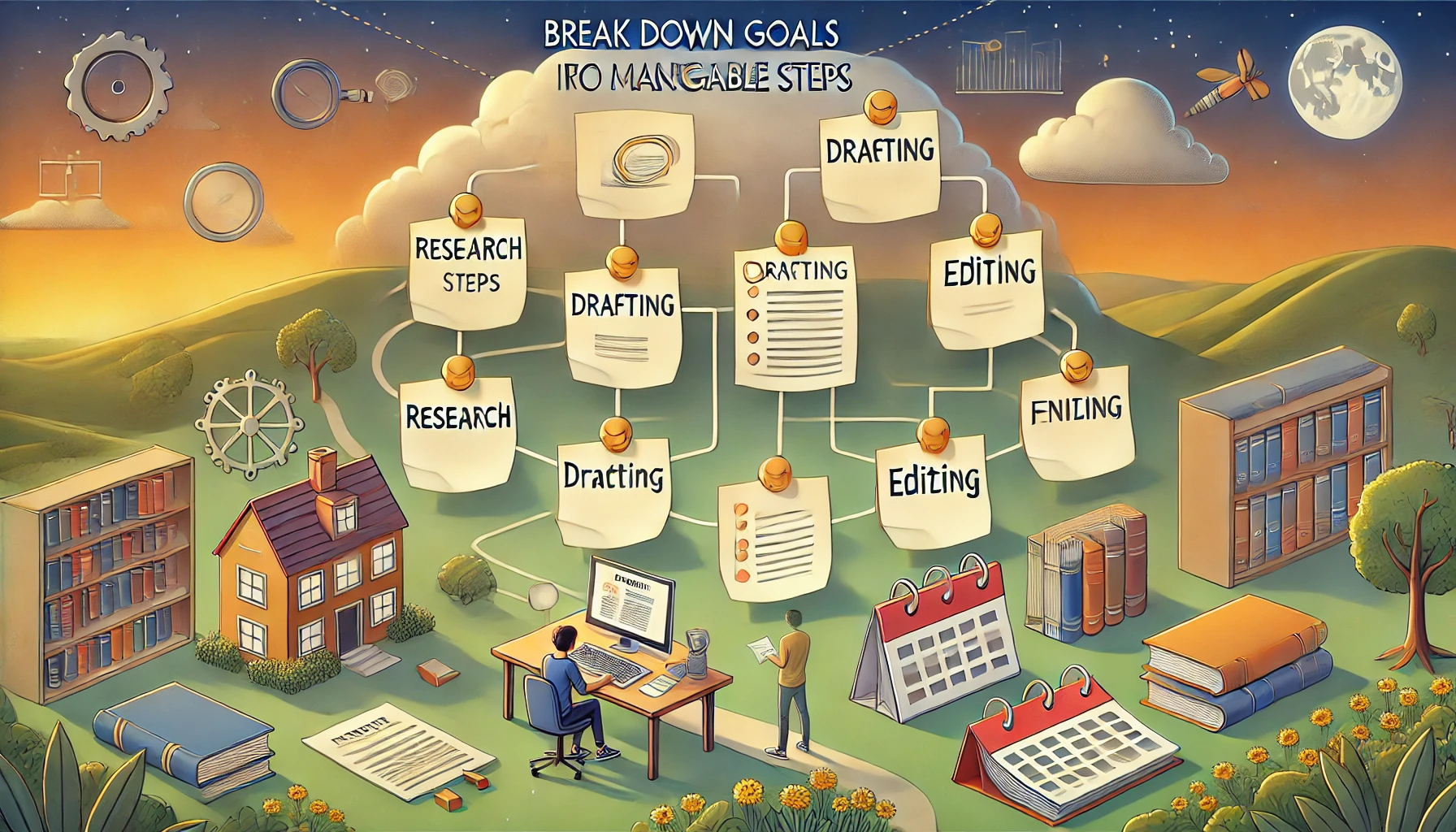
Weekplan’s task manager simplifies this process, helping you outline and prioritize each step within your larger goal. By focusing on a single small action at a time, you’ll be less likely to feel overwhelmed, maintaining steady progress toward your bigger academic objectives.
3. Prioritize Goals Based on Importance and Deadlines
Prioritizing goals can be especially challenging when you have multiple assignments, exams, and activities vying for your attention. First, make a list of everything you need to accomplish, then evaluate each goal’s importance and urgency. For example, a project due next week should take priority over a test that’s a month away. By ranking tasks based on deadlines and academic significance, you’ll avoid the stress of rushing through assignments at the last minute.
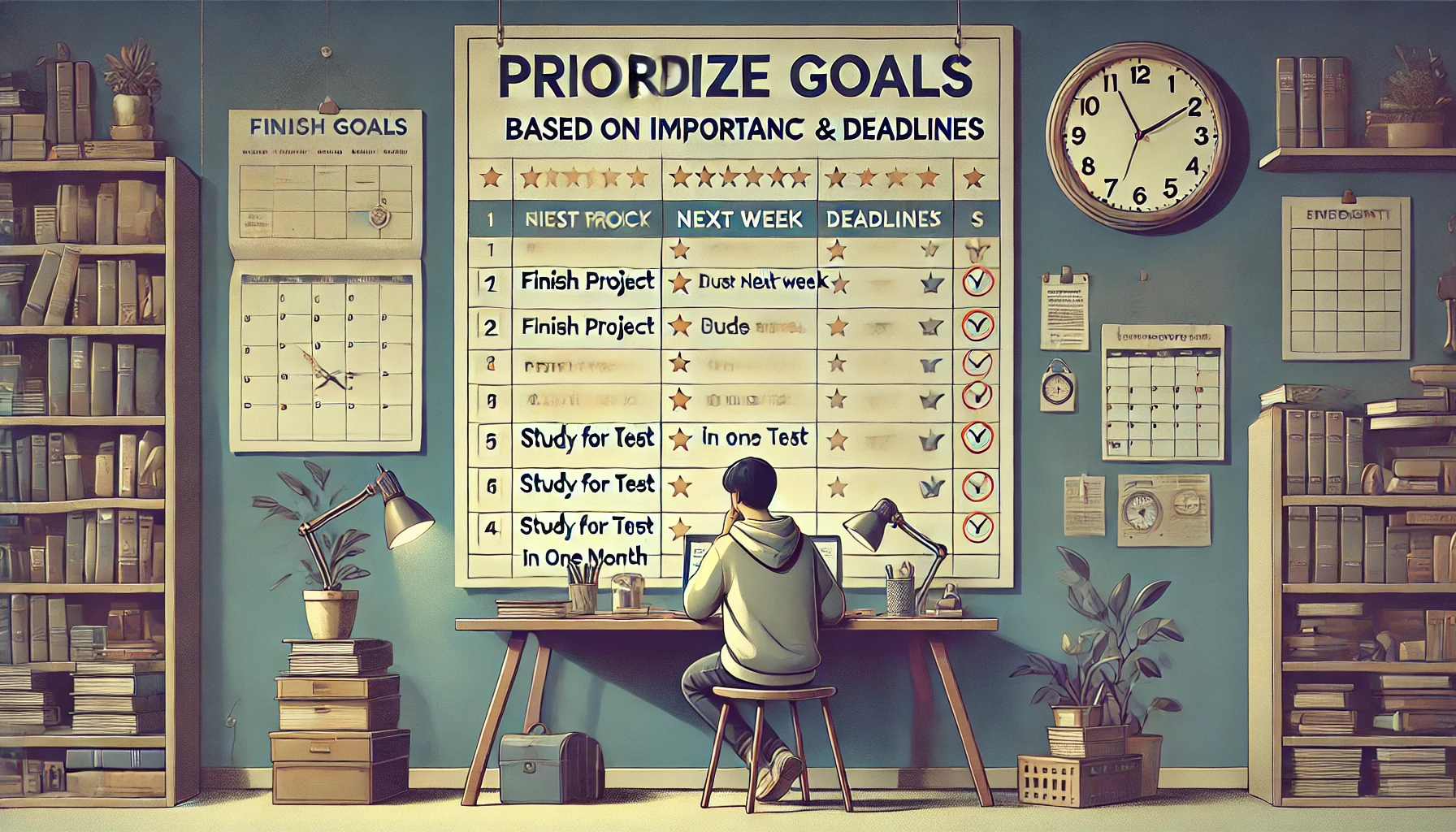
Weekplan’s Quadrant system is particularly useful here, as it helps you categorize tasks based on urgency and importance, allowing you to focus your energy on what truly matters. This approach ensures you’re not only working hard but also working efficiently, making the most of your time and effort.
4. Set Both Short-Term and Long-Term Goals
Balancing short-term and long-term goals is essential for steady academic progress. Short-term goals focus on immediate tasks, like completing an assignment or studying for an upcoming test, while long-term goals might include things like maintaining a GPA that qualifies for scholarships or planning to take a specific advanced course. By setting both types of goals, you’ll have a roadmap for your academic journey, ensuring that daily efforts align with broader ambitions.

Weekplan allows you to manage both short-term and long-term goals, displaying daily tasks alongside longer-term objectives. This dual focus helps you balance immediate responsibilities with future aspirations, keeping you motivated in the short term while working steadily toward long-term achievements.
5. Use SMART Goals to Stay Focused
SMART (Specific, Measurable, Achievable, Relevant, and Time-bound) goals add structure and clarity to your academic ambitions. By following the SMART criteria, each goal you set becomes a clear, actionable plan. For instance, instead of setting a broad goal like “do well in English,” create a SMART goal such as “score 90% or above on my next English essay.” This goal is specific (focuses on an essay), measurable (90%), achievable (based on your abilities), relevant (to your academic success), and time-bound (the next essay deadline).
SMART goals prevent you from setting vague objectives and help you concentrate on achievable steps. Weekplan can assist in creating these goals for each course or semester, providing you with a structured path to follow in each subject.
6. Schedule Regular Check-Ins to Review Progress
It’s crucial to monitor your progress consistently to understand where you’re succeeding and where you may need to adjust. Set aside time at least once a week to review your achievements and challenges in relation to your academic goals. For example, ask yourself questions like: What’s going well? What do I need to improve? This habit fosters accountability and gives you a clear sense of what changes may be necessary to stay on track.
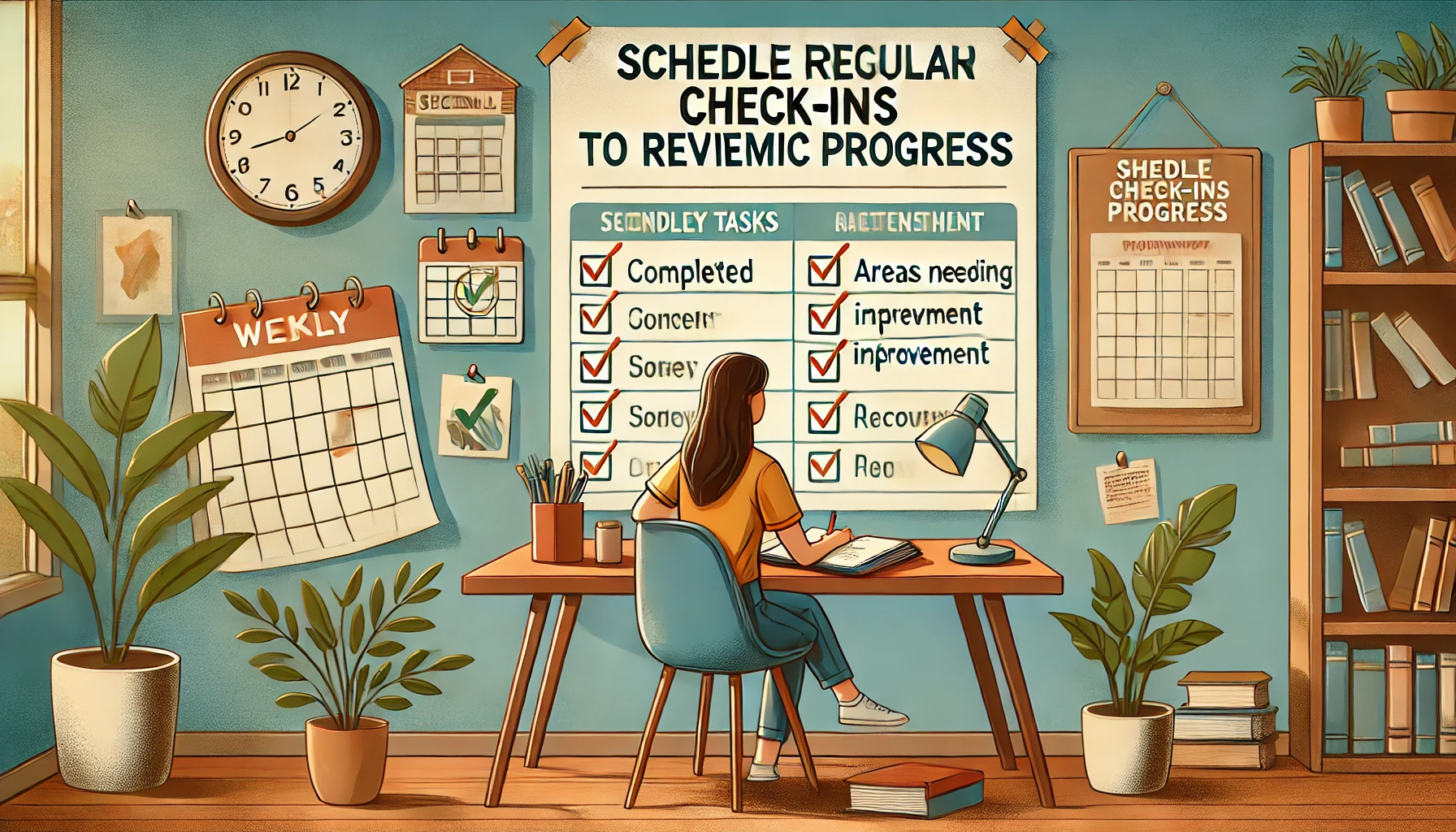
With Weekplan’s task-tracking and time-logging tools, you can easily record and review each study session. This feature allows you to see trends over time, helping you adjust your study habits to align more closely with your academic goals.
7. Cultivate a Positive Learning Environment
The environment in which you study significantly influences your focus and motivation. Start by organizing a dedicated study space that’s free from distractions, with all the necessary materials close by. A quiet, clutter-free setting helps maintain concentration, making it easier to tackle your goals. Additionally, developing a positive mental outlook can make a big difference. Encourage yourself with small rewards or positive affirmations whenever you complete a challenging task, building a supportive mental space that promotes learning.

Weekplan’s features allow you to log completed tasks, providing you with a sense of accomplishment and positive reinforcement. This acknowledgment of progress can be especially motivating, making it easier to approach academic goals with a positive mindset.
8. Reflect and Adjust Your Goals as Needed
Your goals aren’t locked in place; often they need a bit of a tweak as you go along. At the end of each semester or academic year, take a moment to think about how you’re doing & whether some of your goals still make sense. You might find a course that’s turned out to be tougher than you expected - that risks throwing a whole wrench in your plans if you haven’t allowed extra time or adjusted your approach. Conversely, if you find you’ve crushed a goal ahead of schedule, take a look at what the next step should be for the next semester.
Weekplan lets you easily take a step back & reassess your goals - & that’s a huge advantage because it lets you update your academic strategy whenever you need to. And when things change, being able to stay flexible like that is a huge help in keeping on track - which is exactly what you need to keep moving forward in your studies
Frequently Asked Questions (FAQs)
- What are academic goals? Academic goals are objectives related to your educational pursuits, such as achieving a specific GPA, mastering a subject, or completing a research project.
- Why is setting measurable goals important in academics? Measurable goals provide a clear target to work towards and allow you to track progress, making it easier to stay motivated and focused on your studies.
- How can I prioritize academic goals effectively? To prioritize effectively, list all your goals, assess their importance and urgency, and tackle those with immediate deadlines or high academic impact first.
- What is the benefit of setting both short-term and long-term academic goals? Short-term goals help with daily motivation, while long-term goals provide direction for your overall academic journey, balancing immediate needs with future objectives.
- What are SMART goals, and how do they help in academic planning? SMART goals are Specific, Measurable, Achievable, Relevant, and Time-bound, creating a structured approach that makes goal-setting more practical and focused.
- How can Weekplan assist in setting and tracking academic goals? Weekplan offers features like task tracking, goal setting, and time logging, helping you organize your academic objectives and monitor your progress over time.
- What should I consider when breaking down academic goals into smaller tasks? Consider each goal’s complexity, then create smaller steps with individual deadlines to make the process manageable and prevent feeling overwhelmed.
- How often should I check in on my academic goals? Weekly check-ins are effective for assessing your progress, allowing you to make adjustments where needed to stay aligned with your overall academic goals.
- What makes a positive learning environment, and how does it impact academic goals? A positive learning environment is one that’s organized and free from distractions, fostering focus and productivity, which supports achieving academic goals.
- How often should I review and adjust my academic goals? Reflect on your goals at the end of each semester or academic year, adjusting them as needed to reflect new challenges, achievements, or academic priorities.

More Posts
Hectic Work Schedule And Mental Stress
15 Top Productivity Apps to Consider in 2024
Have you ever caught yourself binge-watching cat videos on the internet, stalking Facebook friends, or window shopping online for hours? In the absence of someone looking over your shoulder, it’s very easy to...
Best Productivity Blogs to Boost Personal Development
Productivity depends upon two main factors: the quality of the work and the speed at which that work is performed, and following productivity blogs can provide tips and strategies to improve both. It’s...
Product update September 2017